
Cottage
Witchbrook cottage guide: grid stacking, per-wall wallpaper, lighting toggles, greenhouses, paths and beekeeping at your Shadbrook woodland home.
Introduction
Your Shadbrook cottage is the private half of the Witchbrook fantasy — the place where a tired student witch turns a woodland house into a genuinely personal home. Dev blogs have confirmed an unusually granular decoration system: furniture placement on a grid with stacking, wallpaper applied per individual wall, and light fixtures you can actually switch on and off, all aided by the Telekinesis spell so you can rearrange rooms without endless menu fiddling. Outside, the grounds open into gardening territory with greenhouses, tileable paths and fences, wildflower growth, beehives and wildlife habitats that extend what your land produces. Whether you want a cozy reading nook or a productive mini-farm feeding your witch business, the cottage systems reward slow, creative play — and this hub compiles every confirmed detail so your dream layout can be planned before move-in day.
Cottage & Garden Systems
| System | What It Does | Why It Matters |
|---|---|---|
| Grid Stacking | Place and stack furniture on a grid | Precise, dense room layouts |
| Per-Wall Wallpaper | Different wallpaper on each wall | Room-by-room theming freedom |
| Lighting Toggles | Switch individual fixtures on and off | Cozy evening moods and ambience |
| Greenhouses & Paths | Greenhouses, tileable paths and fences | Expandable, organized grounds |
| Beekeeping & Wildlife | Beehives and wildlife habitats | Ongoing output from your land |
Home Systems
Interior Design
Grid stacking, per-wall wallpaper and switchable lights
Greenhouses & Paths
Organized grounds with tileable structure and growing space
Bees & Wildlife
Beehives and habitats that make the garden feel alive
Garden Income
Turning outdoor systems into fuel for your witch business
Lighting & Ambience
Switchable fixtures that reshape every evening mood
Core Mechanics
Cottage customization runs on a grid-based placement engine with a stacking system, meaning furniture can be layered and aligned with much more precision than the floating placement mode typical of life sims. Walls are individual surfaces: wallpaper choices apply per wall, so one room can mix styles without switching the entire space, and toggleable lighting adds an active layer of ambience rather than a fixed global brightness. Telekinesis — the confirmed utility spell — interacts with decorating directly, letting magic do the heavy lifting of arrangement. The grounds system mirrors the interior's structure outdoors: greenhouses extend growing capacity, paths and fences tile cleanly to organize the yard, wildflowers spread naturally, and beehives plus wildlife habitats turn the garden into a slow, steady producer. Together, indoor and outdoor systems feed the same cozy loop of gradual, self-directed improvement.
Advantages
Few things define the life-sim genre like a home that grows with you, and Witchbrook's confirmed feature set goes deeper than most: per-wall wallpaper and lighting switches are small details that creators specifically prize, while grid stacking enables the kind of elaborate room builds normally reserved for dedicated building games. Telekinesis decoration means experimentation is cheap — no punishing menus when you want to try a new layout on a whim. Outside, the greenhouse-and-beekeeping pipeline gives aesthetics a payoff, since organized grounds double as quiet income feeding your witch business. The systems also scale naturally for co-op groups sharing one town, where a jointly decorated cottage becomes a genuine collective project rather than a private save's afterthought.
Challenges
With no released build, the limits that matter most remain unknown: catalog size, furniture costs, path varieties and how many greenhouse upgrades exist are all unpublished, so ambitious build plans may collide with launch-day reality. Performance questions also linger — dense grid-stacked rooms plus decorated grounds could stress weaker hardware, particularly on the confirmed Switch targets, and no optimization details have been shared. Gardening profit specifics are completely absent from official sources; we can describe the systems that exist but cannot honestly promise yields or payback periods. Finally, some decorative desires from other games — full structural editing, terrain sculpting, cliff tools — have not been confirmed here at all, and readers should check our feature tracker rather than assume every modern life-sim tool will be present.
Frequently Asked Questions
Can you renovate your cottage in Witchbrook?+
What can you grow in the garden?+
Is cottage decorating possible in co-op?+
Quick Tips
Sketch three room themes before launch — sleep, study and social — because per-wall wallpaper rewards planning. Knowing each room's identity in advance means you can evaluate every furniture and wallpaper unlock the moment you find it instead of second-guessing placements for an hour. Written room plans turn furniture shopping from wandering into a focused, efficient hunt.
Treat lighting as a system, not decoration. Toggleable fixtures let you craft evening routines — dim study corners, bright kitchen workstations — and players who ignore switches miss one of the game's most atmosphere-defining confirmed features entirely across every room of the cottage. Rooms with layered lighting feel dramatically different at noon versus midnight — use that deliberately.
Plan the grounds as production, not just scenery. Greenhouses, beehives and wildlife habitats form a slow income pipeline that can supply your witch business, so placement decisions should reserve functional space early even while the garden still looks purely ornamental and decorative. Reserving two tiles now for future beehives costs nothing and pays off enormously later.
Featured
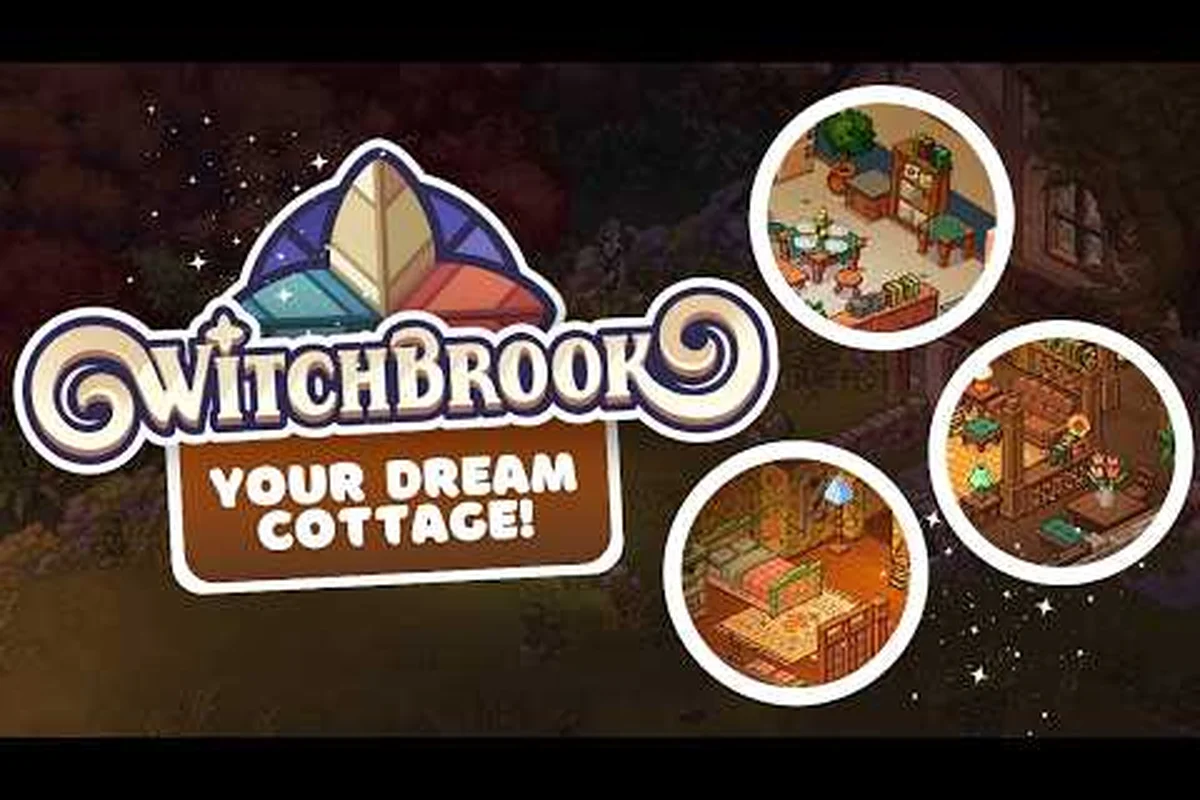
Witchbrook Cottage Guide: Inheriting Aunt's Two-Storey Home
Settle into your Witchbrook cottage with this guide to Aunt's two-storey layout, Harbour Home furniture runs, and the first upgrades every new witch should buy.

Witchbrook Cottage Ideas: Inspiring Interior and Garden Looks
Browse Witchbrook cottage ideas for cozy interiors, storage-smart furniture finds, and garden setups that turn a starter home into a standout Mossport estate.

Witchbrook Cottage Tour: Every Room and Yard Explained
Take a full Witchbrook cottage tour through the inherited two-storey home, covering every room, the surrounding yard, and where to start your first reno.
All Articles
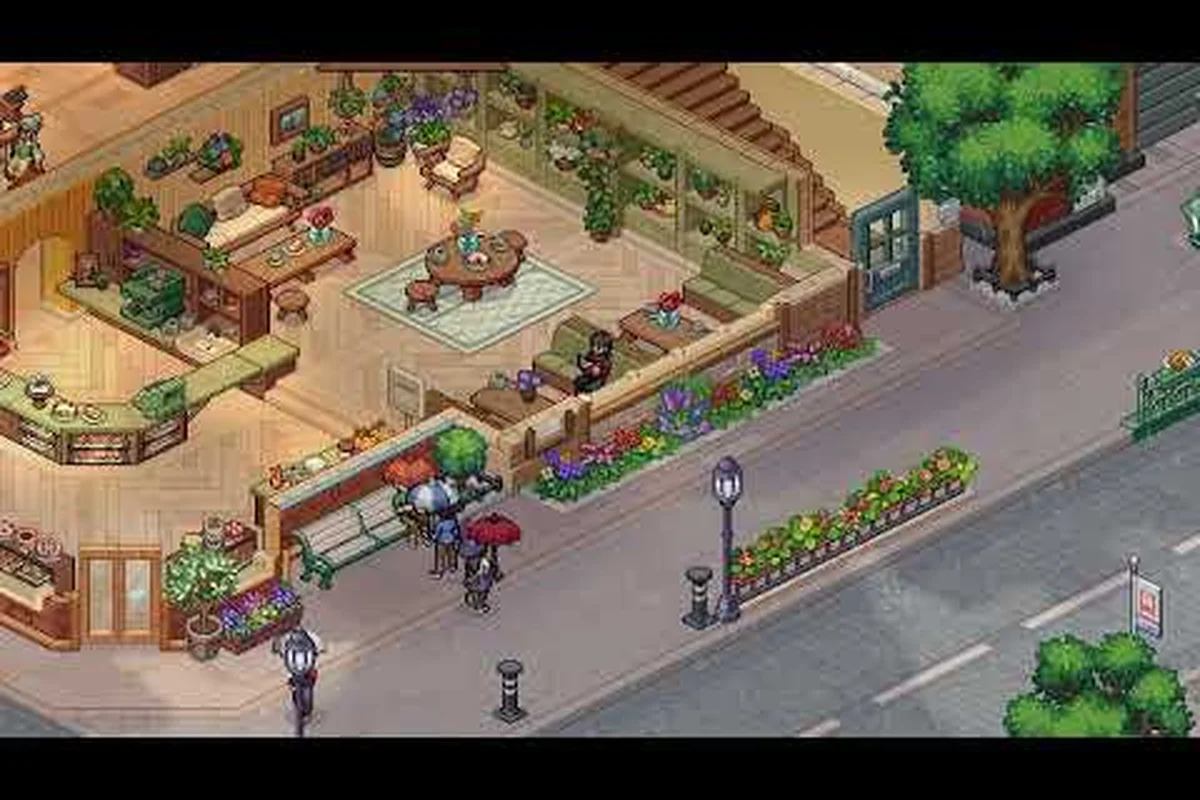
Witchbrook Garden Design: Layouts, Paths, and Plant Picks
Plan a Witchbrook garden design that thrives season after season — plot layouts, path placement, and which crops to pair for the highest cottage-side profit.

Witchbrook Gardening: Crops, Greenhouse, and Beekeeping
Learn Witchbrook gardening from the ground up — crop seasons, greenhouse upgrades, wildflower patches, and beekeeping basics that keep your yard buzzing.

Witchbrook Home Upgrades: Telekinesis and Garden Picks
Unlock the best Witchbrook home upgrades, from telekinesis-powered decorating shortcuts to outdoor garden additions that raise both charm and coin.

Witchbrook Paths and Fences: Cottage Layout Ideas
Lay down Witchbrook paths and fences to shape flow around your yard, frame beehives, and build a cottage layout that feels truly yours.